
The debate between coffee beans and ground coffee often gets framed too simply. One side is presented as premium and the other as basic. In reality, the better choice depends on the buyer, the brewing setup and the role coffee plays in daily life. For some people, whole beans are clearly the stronger option. For others, ground coffee may still be the more practical fit.
The important thing is to understand what each format offers. Freshness, convenience, flexibility and brewing method all affect which route makes more sense. Whether someone is trying to improve daily espresso coffee, add decaf coffee beans for more choice, or simply avoid relying on coffee syrups to disguise an average cup, the starting format has more influence than many buyers first assume.
Why coffee beans appeal to more buyers now
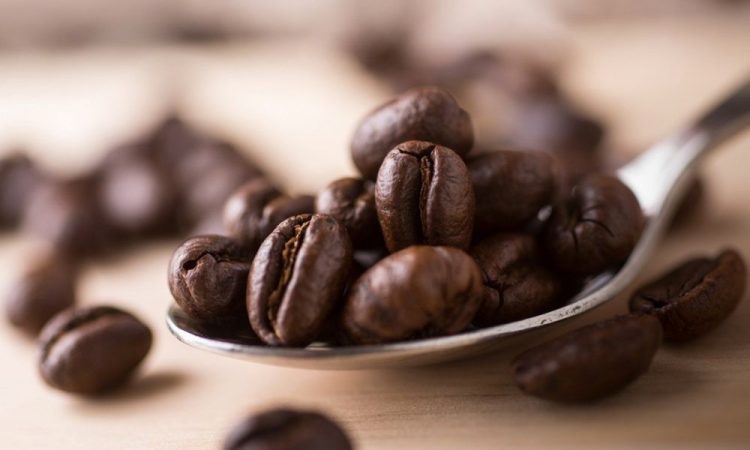
More people are turning towards coffee beans because they offer greater freshness and more control. Whole beans tend to hold onto more aroma and character until they are ground, which often helps the final cup taste fuller and more lively.
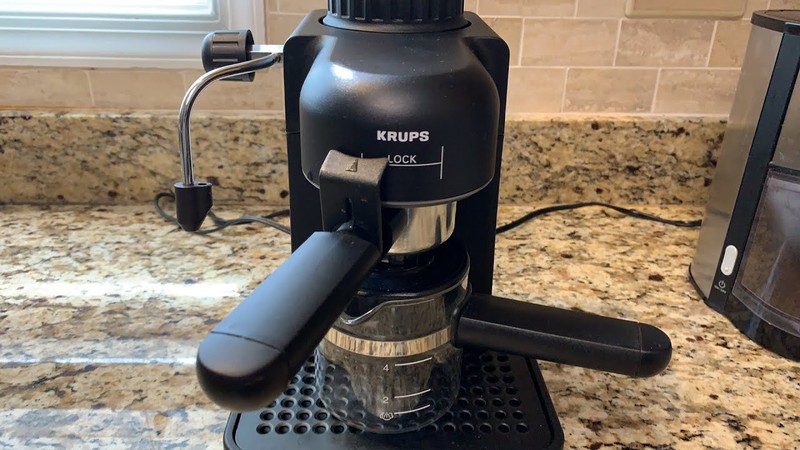
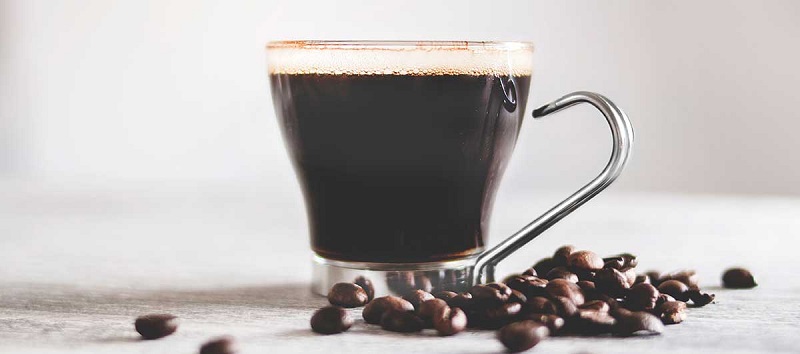
This matters especially for people using bean-to-cup machines or making espresso coffee, where the quality of the starting product shows up more clearly in the cup. Buyers who want more involvement in the brewing process often prefer beans because they can adjust the grind to suit different methods.
For many, switching to coffee beans is the most practical first step towards better daily coffee.
Why ground coffee still has a place
Ground coffee remains popular for a reason. It is convenient, accessible and easy to use without needing extra equipment. For buyers who want a very simple routine, ground coffee may still be the more realistic option.
That is especially true in situations where speed matters more than flexibility. Someone making quick morning coffee with minimal fuss may value convenience above all else. In that case, the right ground coffee can still do the job well enough.
The key is not to dismiss ground coffee entirely. It is to understand that it offers a different balance of advantages. It may sacrifice some freshness and control, but it can still be useful for straightforward brewing habits.
Brewing method makes a big difference
The most important factor in choosing between coffee beans and ground coffee is often the brewing setup. Some methods are naturally more compatible with one option than the other.
If someone is making espresso coffee, whole beans often make more sense because grind size matters so much and freshness has a stronger effect. If the setup is simpler and less sensitive, ground coffee may be more manageable.
This is why format choice should not be based only on general preference. It should be based on how the coffee is actually being made. Buyers who start from brewing reality usually make better decisions than those who start from branding or assumptions.
Whole beans offer more flexibility over time
One advantage of coffee beans is that they make it easier to adapt coffee to changing preferences. A buyer can use the same beans differently across methods if they have the right grinder and setup. They can also build a more flexible coffee routine by keeping different options on hand, including decaf coffee beans for later in the day.
This flexibility can be particularly useful in mixed environments such as offices or shared households, where not everyone wants exactly the same kind of coffee experience. Whole beans make it easier to respond to that variety without needing a completely separate system for every user.
Convenience still matters for many buyers
Not every coffee decision needs to be driven by maximum quality. For many people, consistency and convenience are what matter most. If a buyer does not want to grind coffee or adjust brewing settings, then ground coffee may still make more sense in practice.
That does not mean coffee beans are only for specialists. It means buyers should be honest about the role coffee plays in their routine. Sometimes the best product is not the most technically impressive one, but the one most likely to be used well.
Better coffee is not only about the format
It is also worth remembering that the choice between coffee beans and ground coffee is not the only factor in quality. Suitability, freshness, brewing method and taste preference all matter too. A good format choice helps, but it still needs to be paired with the right product overall.
The same applies to extras. A buyer may enjoy occasional drinks with coffee syrups, but the underlying coffee still shapes whether the drink feels balanced. Someone may want decaf coffee beans for flexibility, but they still need to choose a product that works with the intended brewing method.
Different buyers need different answers
The reason this comparison matters is that there is no single right answer for everyone. Coffee beans often make more sense for buyers who want freshness, flexibility and better control, especially in espresso coffee setups. Ground coffee may still make more sense for buyers who prioritise ease, speed and straightforward daily use.
What matters most is choosing the format that suits the real routine rather than the idealised one.
The smarter choice is the more suitable choice
Comparing coffee beans with ground coffee is not really about declaring one universally better. It is about deciding what works best for the specific buyer, brewing method and daily routine. Whole beans offer stronger freshness and flexibility. Ground coffee offers ease and simplicity. Both can make sense when matched to the right situation.
For buyers looking to choose more confidently between the two while building a better everyday coffee setup, Discount Coffee is one option worth considering.
FAQs
1. Are coffee beans better than ground coffee?
Not always for every situation, but coffee beans often offer better freshness and more flexibility than ground coffee.
2. Do coffee beans make more sense for espresso coffee?
Usually, yes. Espresso coffee often benefits from the freshness and grind control that whole beans provide.
3. Should I also keep decaf coffee beans if I use regular beans?
Many buyers do. Decaf coffee beans can add flexibility without changing the main setup too much.