
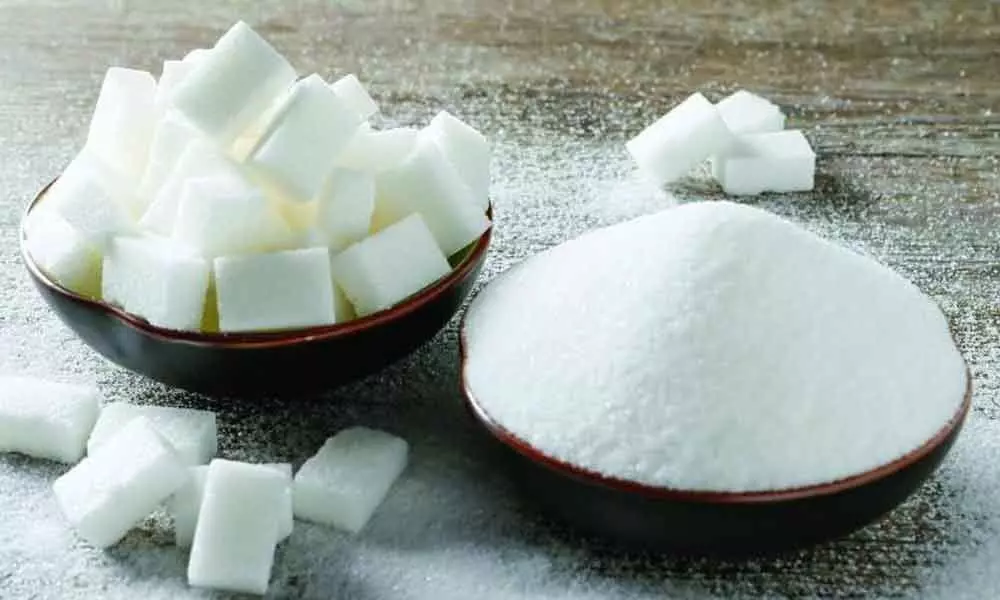
In the pantheon of essential kitchen ingredients, sis sugar occupies a position of such fundamental importance that its ubiquity often obscures its significance. Walk into any Singaporean kitchen, from the humblest HDB flat to the most elaborate landed property, and you will find sugar stored in containers, ready for deployment in the daily rituals of cooking and baking. Yet the choice of which sugar to use is not as straightforward as it might appear to the casual observer. The differences between sugar products, whilst subtle to the uninitiated eye, can determine whether a recipe succeeds or fails, whether a business thrives or struggles.
The Foundation of Culinary Success
To understand the role of quality sugar in Singapore’s food ecosystem requires examining the ingredient from multiple angles. Sugar is not merely a sweetener. It is a tenderiser in baked goods, a preservative in jams, a balancing agent in savoury dishes, and a crucial component in the Maillard reaction that gives baked items their golden-brown colour and complex flavour. The molecular structure of sucrose, when properly refined and processed, performs these functions with remarkable efficiency.
The refinement process itself deserves scrutiny. Raw sugar cane juice contains numerous impurities: plant fibres, minerals, proteins, and colour compounds. Through a series of carefully controlled steps involving clarification, evaporation, crystallisation, and centrifugation, these impurities are systematically removed. The degree of refinement directly correlates with the purity of the final product. Higher purity means more predictable performance in recipes, cleaner taste, and better storage characteristics.
Varieties and Their Applications
The sis sugar available in retail channels comes in several distinct forms, each engineered for specific purposes:
• White Granulated Sugar
The standard bearer, featuring medium-sized crystals that dissolve readily in both hot and cold liquids. This variety handles the majority of everyday cooking and baking tasks with reliable consistency.
• Caster Sugar
Ground to a finer texture, these smaller crystals incorporate more rapidly into batters and doughs. Bakers prize this variety for meringues, where undissolved sugar crystals would compromise the smooth, glossy finish that defines a successful meringue.
• Icing Sugar
Pulverised to powder form and typically mixed with a small quantity of cornflour to prevent caking. Essential for smooth frostings and delicate confections where even the finest granulated sugar would feel gritty.
• Brown Sugar
Retaining varying amounts of molasses, brown sugar contributes moisture, deeper flavour notes, and a soft texture to baked goods. The molasses content also provides trace minerals absent from refined white sugar.
The Singapore Context
Singapore’s tropical climate presents particular challenges for sugar storage and usage. Humidity levels regularly exceed 80 percent, creating conditions where sugar readily absorbs moisture from the air. This hygroscopic property can transform free-flowing crystals into hardened blocks, frustrating cooks and bakers who need precise measurements. Quality sugar, properly packaged, resists this moisture absorption more effectively than inferior products.
The multicultural nature of Singaporean cuisine further complicates sugar selection. Chinese pastries often require fine sugar that dissolves completely in delicate doughs. Malay kuih demand sugar that can withstand cooking in coconut milk without crystallising. Indian sweets need sugar that caramelises evenly without burning. Western baking techniques require consistent crystal sizes for creaming methods. A reliable sugar product must perform adequately across this diverse range of applications.
Economic Considerations and Value
The economics of sugar purchasing reveal interesting patterns. Bulk buyers, particularly commercial bakeries and food manufacturing operations, negotiate prices based on volume, consistency, and reliability of supply. For these operations, the marginal cost difference between premium and standard sugar pales beside the cost of batch failures, customer complaints, or reputational damage from inconsistent products.
Home bakers operate under different constraints but reach similar conclusions through experience. A five-kilogram bag of premium sugar might cost a few dollars more than a basic alternative, but it eliminates variables in the baking process. When you have invested time, expensive ingredients like butter and chocolate, and emotional energy into a special occasion cake, the sugar becomes the least expensive form of insurance against disappointment.
Technical Performance Factors
Several measurable characteristics distinguish sis sugar from lesser alternatives. Crystal uniformity ensures even dissolution rates. Moisture content affects flowability and storage stability. Colour, measured scientifically through ICUMSA values, indicates purity levels. Lower ICUMSA numbers denote whiter, purer sugar. These technical specifications translate directly into real-world performance.
Consider the process of making caramel, one of the more demanding applications of sugar. The cook heats sugar to approximately 170 degrees Celsius, at which point it melts and begins to darken. Impurities in the sugar can cause uneven melting, premature burning, or off-flavours. Pure sugar melts uniformly, progresses through colour stages predictably, and produces the clean, complex flavour profile that characterises well-made caramel.
Storage and Handling Protocols
Proper storage extends sugar’s usable life indefinitely. Transfer sugar to airtight containers immediately upon opening. Store away from aromatic ingredients like coffee or spices, as sugar absorbs odours readily. Keep containers in cool, dry locations. If clumping occurs despite precautions, several remediation methods exist: placing dried bread slices in the container overnight, adding a terra cotta sugar disc designed for this purpose, or briefly heating the sugar in a low oven.
The Path Forward
The sugar industry continues to evolve in response to consumer demands and technological advances. Processing techniques improve, reducing energy consumption whilst maintaining quality. Packaging innovations better protect against humidity. Traceability systems allow consumers to understand the origins of their sugar. These developments benefit everyone who depends on sugar for their cooking and baking needs.
In the final analysis, the choice of sugar represents a decision about priorities. Those who value consistent results, reliable performance, and the peace of mind that comes from using trusted ingredients will continue to select sis sugar for their kitchens, recognising that some foundational choices deserve careful consideration.